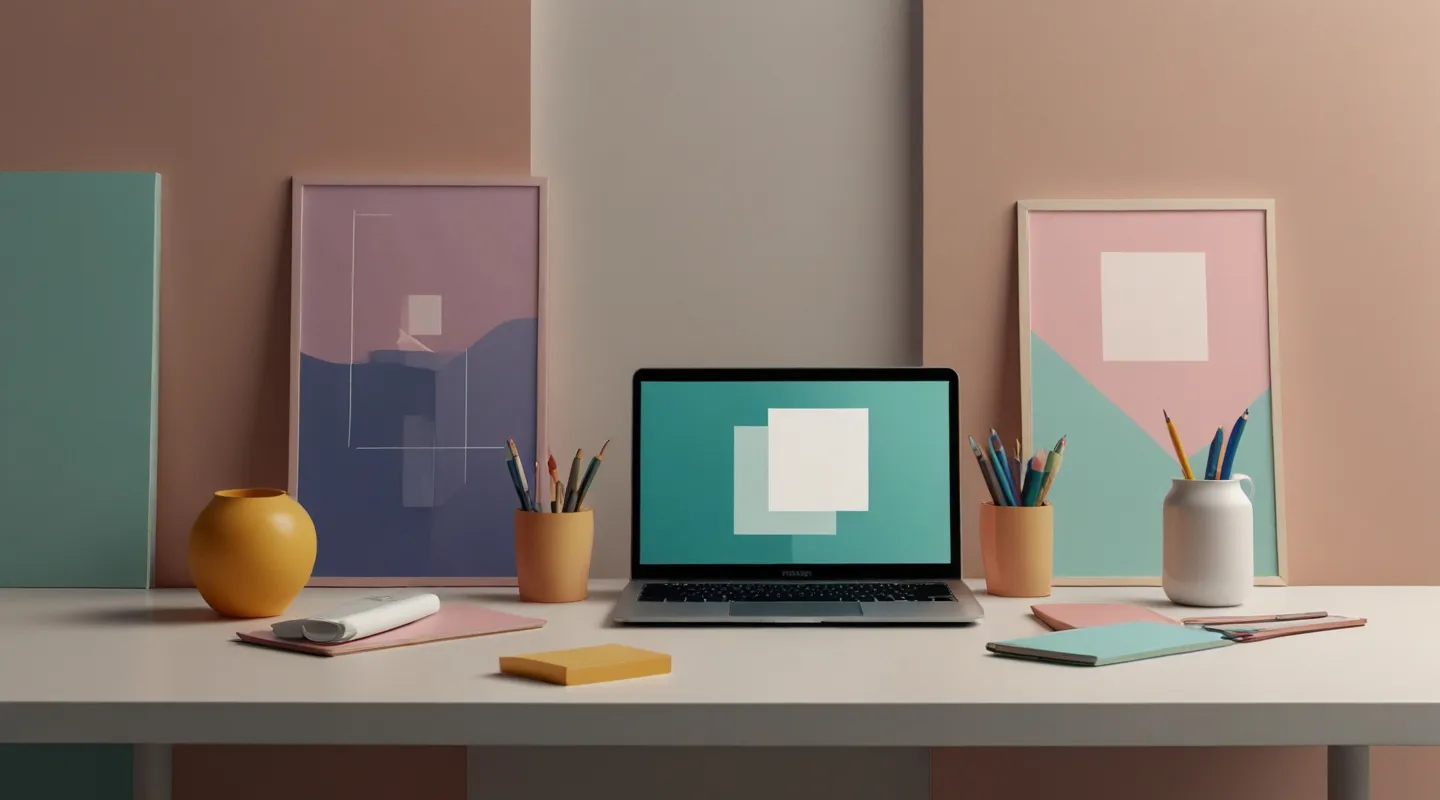
Let’s Talk About White Space—The Unsung Hero of Web Design
Okay, so here’s the thing: when you first start designing websites, it’s tempting to fill every pixel with something—text, images, icons, buttons, you name it. I get it. It feels like you’re maximizing value, squeezing out every drop of attention you can get. But here’s the kicker—sometimes, less really is more. And that’s where white space steps in, quietly, like the friend who listens more than talks.
White space (or negative space, if you wanna get fancy) isn’t just empty canvas—it’s a strategic tool that gives your design room to breathe. It’s that invisible padding that separates content, guides the eye, and amplifies the message without screaming for attention. Honestly, I wasn’t fully convinced the first time I leaned into it. It felt counterintuitive. But after a few projects, I started seeing how powerful it can be—not just aesthetically, but functionally.
Why White Space Matters More Than You Think
Imagine walking into a cluttered room versus a tidy one. Which do you find more relaxing? Where can you actually focus? Your brain craves order. It’s wired to process information better when it’s given some breathing room. White space helps reduce cognitive load. That’s design-speak for making your site easier to understand without your visitors needing a PhD in navigation.
And here’s a fun fact—studies have shown that layouts with ample white space can increase comprehension by up to 20%. Not just that, but users tend to perceive brands that use white space effectively as more high-end and trustworthy. Fancy, right? So this isn’t just about aesthetics; it’s about credibility and usability.
How White Space Guides Your Visitors Like a Pro
Think about when you’re reading a book. You don’t want the text jammed together like a ransom note. You want paragraphs, margins, space between lines—those little pauses that let you digest what you just read. Websites are no different. White space acts as those pauses, subtly directing users where to look next.
I remember working on a client’s e-commerce site that was a total mess—buttons everywhere, cramped product descriptions, images fighting for attention. The bounce rate was through the roof. We stripped back the clutter and introduced generous white space. Suddenly, users could focus on the product images and CTAs. Bounce rates dropped, and sales ticked up. It was like the site had cleared its throat and started speaking clearly.
But Wait, Isn’t White Space Just… White?
Good question. White space doesn’t literally mean white. It’s the area around and between elements—could be any color or texture, as long as it’s free of clutter. It’s about balance and contrast. Think of it as the silent partner in your design dance. It supports the content, making it shine without stealing the spotlight.
Practical Tips to Embrace White Space Without Going Overboard
- Start with your content hierarchy: Know what matters most. Use white space to highlight key elements like headlines, CTAs, or product showcases.
- Don’t be afraid to break the grid: Sometimes, intentionally uneven spacing creates dynamic flow and interest.
- Use padding and margins wisely: They’re your best friends for carving out breathing room.
- Test on different devices: White space can look different on mobile versus desktop. Make sure it scales gracefully.
- Trust your gut: If the design feels cramped, it probably is. Add space and see how that changes the vibe.
A Quick Toolbox for White Space Mastery
If you’re wondering where to start, tools like Figma and Adobe XD make it easy to experiment with spacing. And plugins like Auto Layout in Figma help automate consistent white space application.
Also, don’t underestimate the power of simply stepping back. Zoom out, squint a little, or even print your design. Sometimes, that physical distance reveals whether your design is suffocating or breathing.
Wrapping It Up: The Space That Speaks Volumes
So yeah, white space might feel like the wallflower at first—quiet, understated, easy to overlook. But it’s the secret sauce that turns a chaotic mess into a clean, inviting experience. I promise, once you get comfortable with it, you’ll find yourself reaching for it every time.
Don’t just take my word for it. Next time you’re stuck on a design that feels noisy or overwhelming, try stepping back and adding space. Watch how it transforms the whole vibe. And hey, if you’re still skeptical, that’s cool too. But I bet you’ll find it’s the kind of subtle magic that makes your work look less like a puzzle and more like a conversation.
So… what’s your next move? Try breathing some life—and space—into your next project. I’m curious how it goes.






