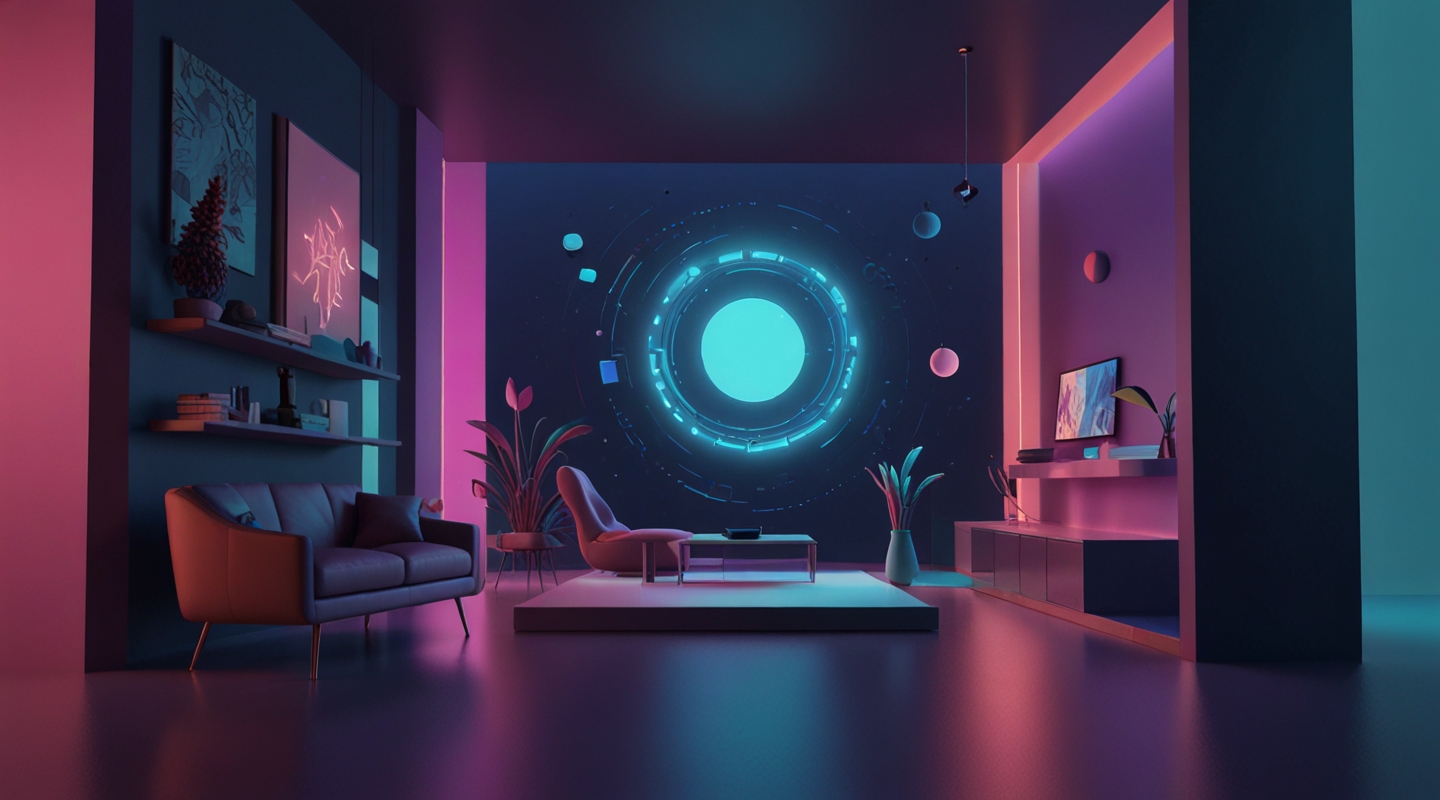
Welcome to 2025: The Metaverse Is Here, But Are Your Themes Ready?
Remember when we thought responsive design was the holy grail? That moment when ensuring your site looked decent on a phone felt like conquering Everest? Well, buckle up, because designing themes for the metaverse is the next beast entirely. And honestly, it’s not just about making things look good anymore. It’s about crafting entire experiences that live in virtual, augmented, and mixed realities. So, if you’re like me—a WordPress theme designer who’s spent countless hours wrestling with CSS grids and PHP quirks—this shift feels both thrilling and, yeah, a little daunting.
But before you panic and throw your laptop out the window, let’s break down what web templates need in 2025 to thrive in the metaverse. And no, this isn’t some abstract futuristic babble—I’m talking practical, actionable insights grounded in the messy, real-world work of theme design.
Why The Metaverse Demands a Rethink in Theme Design
The metaverse isn’t just a buzzword. It’s a sprawling digital ecosystem where the lines between websites, apps, and virtual spaces blur. Think of it as a multi-dimensional internet where your theme isn’t just a static layout; it’s an environment users inhabit.
What does that mean? For one, themes have to handle three-dimensionality, real-time interaction, and a level of customization that feels personal but also universally accessible. Traditional templates? They’re flat, linear, and mostly passive. Metaverse themes? They’re immersive, layered, and dynamic.
Honestly, the biggest lesson I’ve learned experimenting with 3D web components and VR integrations is that you can’t just slap on a skin and call it a day. The design language has to be intuitive enough for users stepping into unfamiliar territory, but flexible enough to support wildly different use cases—from virtual art galleries to social hangouts to digital commerce hubs.
Core Features Your 2025 Web Templates Can’t Ignore
Alright, let’s get into the nitty-gritty. Here’s what I think every theme designer needs to bake into their templates if they want to stay relevant in this metaverse era.
- Spatial Layouts and 3D Navigation: Forget just grids and flexboxes. Your themes need to support spatial arrangements that let content exist in three dimensions. Imagine users walking around a virtual room rather than scrolling down a page. Tools like A-Frame and Three.js are game-changers here.
- Real-Time Interactivity: Static content won’t cut it. Your themes should integrate seamless real-time updates—whether that’s chat, live events, or collaborative workspaces. WebSockets and WebRTC are your buddies.
- Avatar and Personalization Support: Users want to see themselves reflected in the space. Themes need to allow avatar integration and customizable environments without breaking the flow.
- Cross-Device Fluidity: The metaverse isn’t tied to one gadget. Your templates must perform beautifully on VR headsets, AR glasses, desktops, and mobile devices alike.
- Performance Optimization: Three-dimensional and interactive elements can kill load times fast. Lazy loading, efficient asset management, and smart caching are critical.
- Accessibility in 3D: This one’s often overlooked. Making sure content is navigable and usable by people with disabilities in immersive environments isn’t optional—it’s essential.
Walking Through a Real-World Example
Let me paint a picture. A client approached me recently wanting a theme for their virtual conference platform in the metaverse. They needed a solution that felt like a real-world venue but was accessible through browsers and VR devices. The usual sliders and hero images wouldn’t cut it.
So, we built a theme prototype that layered 3D spaces using Three.js for the lobby and breakout rooms, integrated WebRTC for live video chats, and used avatar SDKs to allow attendees to customize their look. The biggest challenge? Making the navigation intuitive. We couldn’t rely on traditional menus, so we experimented with gaze-based controls and contextual hotspots. It was a messy process, full of trial-and-error, but by the time we shipped a beta, the feedback was eye-opening: users felt genuinely immersed and surprisingly comfortable in the virtual space.
This project hammered home how much thought needs to go into user flow, performance, and cross-platform support. It’s not just flashy tech; it’s designing for real people in new dimensions.
Tools and Frameworks to Keep an Eye On
Since I’m always poking around new tools, here are some I’d recommend tinkering with if you want to get ahead:
- A-Frame: An open-source framework for building VR experiences on the web. It’s surprisingly approachable and integrates nicely with existing web tech.
- Three.js: The backbone for 3D graphics in the browser. If you want to push the boundaries of your themes, getting cozy with Three.js is a must.
- WebXR API: It’s the bridge connecting VR and AR devices to your web projects. Understanding it opens doors to immersive design.
- Socket.io: For real-time communication features powering chats, notifications, or live updates.
- Decentraland SDK: If you’re venturing into blockchain-powered metaverse spaces, this is worth exploring.
Some Quick Tips from My Experience
- Start Small, Iterate Fast: Don’t try to build a full metaverse experience on day one. Prototype key interactions and test early.
- Keep Your CSS Modular: When working with 3D components, maintain clean and modular CSS to avoid conflicts and performance hits.
- Use Progressive Enhancement: Not everyone has VR gear, so ensure your theme gracefully degrades to a 2D experience.
- Focus on User Comfort: VR sickness is real—design navigation and animations to minimize discomfort.
- Document Your Design Decisions: You’ll thank yourself later when you revisit why you chose certain frameworks or interaction patterns.
FAQs About Metaverse Theme Design in 2025
How is designing for the metaverse different from traditional web themes?
Metaverse design involves creating immersive, interactive 3D environments rather than flat, static pages. This means you need to consider spatial layouts, real-time interactions, and cross-device compatibility, especially for VR and AR hardware.
Which technologies should I learn to design metaverse-friendly themes?
Start with WebXR, Three.js, and A-Frame to handle 3D and VR content. Also, familiarize yourself with real-time communication tools like Socket.io and avatar SDKs that allow personalization.
Can existing WordPress themes be adapted for the metaverse?
To some extent, yes. However, significant modifications are necessary to support 3D environments and immersive interactions. It often requires integrating new JavaScript frameworks and rethinking UI/UX paradigms.
Wrapping It Up (For Now)
Look, designing themes for the metaverse isn’t about chasing gimmicks or jumping on every shiny new tech bandwagon. It’s about re-centering our craft around human experience in digital spaces that feel alive — and that takes patience, experimentation, and a willingness to embrace complexity without losing sight of usability.
If you’re curious or a bit overwhelmed, that’s perfectly normal. I wasn’t convinced at first either. But with each project, I’ve seen how these concepts don’t just change the look of themes—they transform how people connect online.
So… what’s your next move? Maybe start by doodling how your favorite site would look in 3D, or playing with A-Frame demos. Give it a try and see what happens.






