Why Continuous Performance Auditing? A Quick Backstory
Ever been on a site that just feels like it’s crawling through molasses? Yeah, me too. Now imagine that’s a global news website where millions rely on lightning-fast updates to catch breaking stories. Performance isn’t just a nicety — it’s a lifeline. I recently worked on a project where we implemented continuous performance auditing for a major international news platform, and let me tell you, it was a game changer.
At first, the site had that classic “set it and forget it” vibe. Audits were sporadic, usually triggered by complaints or big redesigns. But news never stops, and neither do the tiny drags on speed that pile up over time — scripts here, bloated images there, a surprising third-party widget slowing things down in the background.
Continuous auditing flipped the script. Instead of chasing fires, we started seeing the site’s health in real time — like a doctor monitoring vital signs. It felt more proactive, less reactionary. And newsrooms? They loved it, because delays in publishing or frustrating user experiences were shrinking fast.
What Does Continuous Performance Auditing Even Look Like?
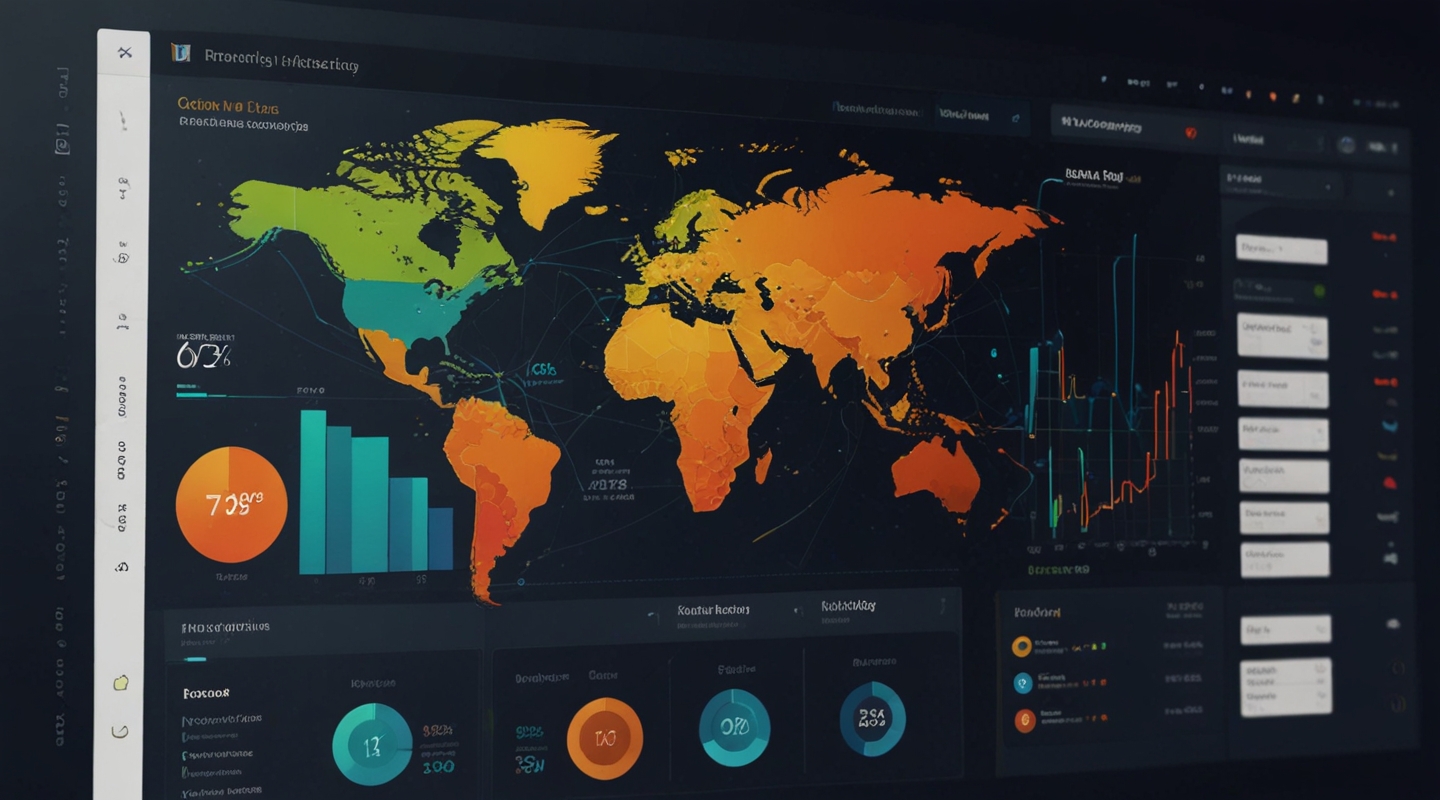
Okay, so it sounds fancy, but at its heart, it’s just a steady, automated checkup on your site’s speed, responsiveness, and stability. We set up tools that ran tests multiple times a day, across devices and regions, feeding us data that was fresh and actionable.
Think Lighthouse, WebPageTest, or even custom scripts pinging key pages. But the magic was in the orchestration — alerts that flagged sudden performance drops, dashboards showing trends, and integrations with the dev team’s workflow. No more surprise slowdowns popping up during peak traffic hours.
One fascinating bit: the audits didn’t just catch obvious stuff like oversized images or slow server response times. They uncovered subtle regressions — like a new ad script that doubled the page’s load time in Europe, or a caching misconfiguration that only showed up on mobile during morning commutes.
Walking the Talk: A Real-World Example
Picture this: It’s a Monday morning, and the editorial team is buzzing about a breaking story. The homepage update is scheduled to roll out in minutes. Suddenly, our monitoring system flags a 20% increase in load time on the homepage, right before the update — a major red flag.
Thanks to continuous auditing, the dev and ops teams jump on it immediately. Within minutes, they trace the issue to a third-party analytics script that was recently updated and started loading synchronously, blocking the main thread.
They roll back the script version and deploy a fix that asynchronously loads the analytics code instead. The homepage speed snaps back to normal before the breaking news goes live. The editorial team barely notices, but the readers get that seamless, near-instant access they expect.
This kind of real-time insight and fast response was impossible before continuous auditing. In fact, without it, that performance hiccup might have lingered for hours, driving up bounce rates and frustrating loyal readers worldwide.
Lessons Learned and Tips for Your Own Auditing Journey
Here’s the thing — continuous performance auditing isn’t a magic wand. It’s a commitment. It requires setting up infrastructure, maintaining it, and fostering a culture where performance is everyone’s business, not just the dev team’s.
From my experience, these nuggets helped smooth the path:
- Automate, but don’t forget context. Raw numbers don’t tell the whole story. Combine metrics with qualitative feedback from users and editors for a full picture.
- Pick your battles. Not every performance dip is a crisis. Focus on key user journeys — homepage load, article reading experience, video playback — and prioritize accordingly.
- Integrate audits into your workflow. Slack alerts, Jira tickets, whatever keeps the team aware and responsive without causing alarm fatigue.
- Keep an eye on third-party scripts. They’re often the sneaky culprits behind slowdowns, especially on news sites loaded with ads and trackers.
- Celebrate the wins. Share improvements with the whole company. Seeing concrete results — like a 15% faster homepage load — boosts morale and buy-in.
Beyond Speed: The Ripple Effects of Continuous Auditing
Speed is the headline, but the story goes deeper. Continuous performance auditing improved the site’s SEO rankings, reduced server costs by optimizing resource loads, and even boosted accessibility — because when you’re stripping away bloat, you often improve usability for everyone.
Plus, it gave the tech team a shared language around performance. Instead of vague complaints about “it feeling slow,” they had hard data, trends, and a way to track progress over weeks and months. That’s powerful.
Wrapping Up — Why It’s Worth the Hustle
Honestly, I wasn’t convinced at first either. Continuous auditing sounded like a lot of upfront work for a news site that’s always chasing the next big story. But seeing it in action changed my mind.
It’s like having a fitness tracker for your website — you can’t fix what you don’t measure, and when you do, the results compound. For a global news site where every millisecond counts, it’s not just a technical upgrade, it’s a survival strategy.
So… what’s your next move? Maybe start small — set up a weekly Lighthouse report or test key pages across devices. Or dive in and build a continuous pipeline. Either way, give it a shot. You might just find your site running smoother than your morning coffee kick.






