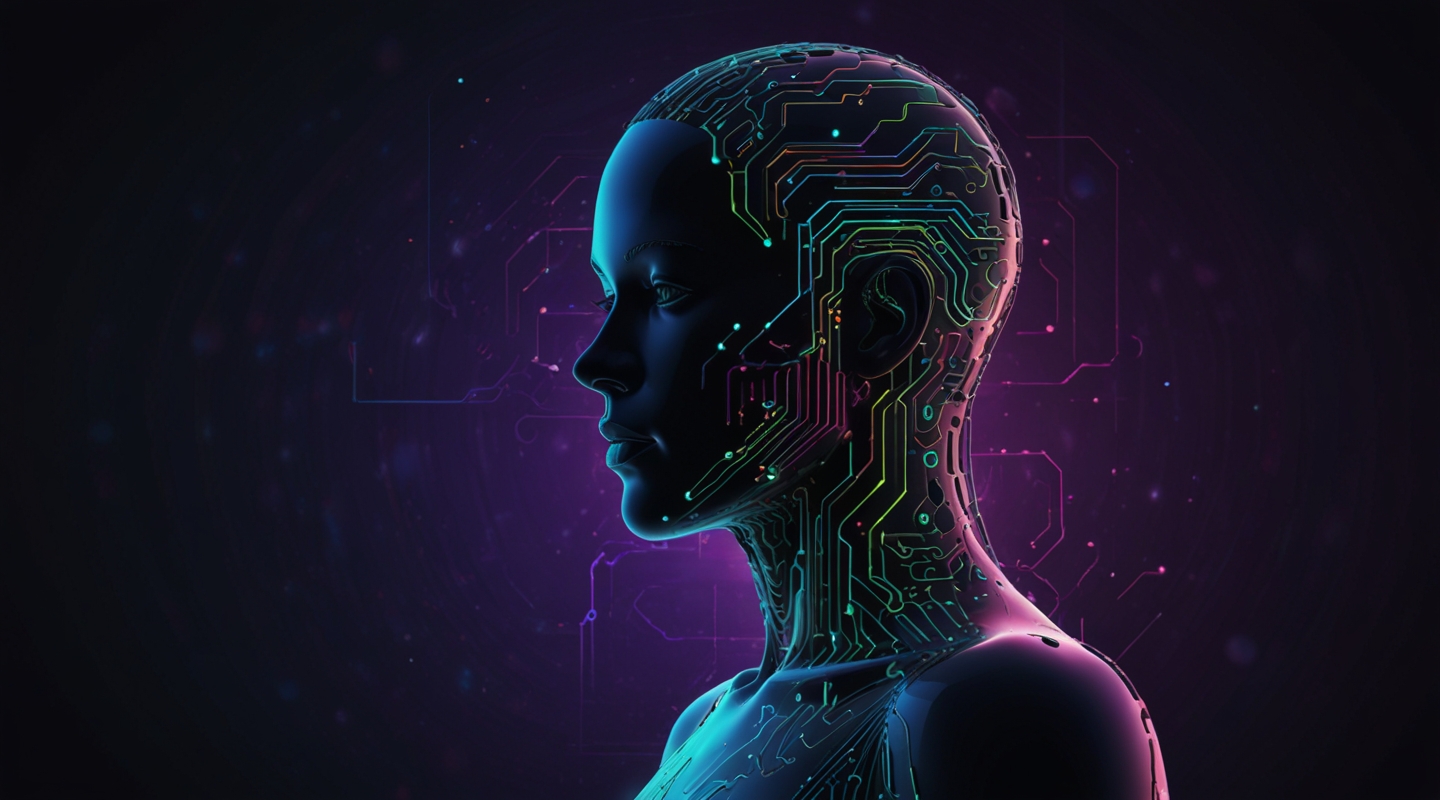
Why AI and Online Privacy Are Suddenly Best Frenemies
Let me start by saying: I get it. Online privacy sounds like that dusty topic your uncle brings up at family dinners—important but kinda vague. But if you’ve been paying attention to the tech world lately, you know AI isn’t just a shiny tool for cool gadgets. It’s rewriting the rules of how our data moves, lives, and sometimes gets… well, exposed. So today, over this virtual coffee, I want to unpack how AI is changing the face of online privacy—sometimes in ways that feel like a double-edged sword.
As someone who’s been knee-deep in digital trends for years, I’ve seen the hype cycles and the real breakthroughs. AI isn’t some far-off sci-fi fantasy anymore. It’s embedded in everything from the apps you scroll through to the security protocols trying to keep your info safe. But the kicker? It’s both a protector and a potential risk. Let’s talk about that.
The Good: AI as a Privacy Bodyguard
First, the wins. AI-powered privacy tools have gotten smarter—like, Sherlock Holmes smart. Think behavioral analytics that can sniff out unusual activity faster than any human could. For instance, AI-driven anomaly detection is now a staple in cybersecurity. It’s like having a night owl watching your data 24/7, catching phishing attacks or data breaches before they spiral out of control.
Take federated learning, for example. This approach lets AI learn from your data without actually collecting it in a central place. So your phone can get smarter about your habits—recommend better music, say—without sending every detail back to some giant server. It’s privacy by design, and honestly, it’s a game-changer for how data stays personal.
And then there are AI-powered encryption methods that adapt in real-time. They adjust encryption strength based on threats, making it a moving target for hackers. I remember testing one of these systems a couple years ago—it felt like watching a digital chess game where the AI was three moves ahead.
The Not-So-Good: When AI Becomes the Privacy Villain
But let’s not wear rose-colored glasses here. AI can also be the sneaky pickpocket of your online life. Ever heard of deepfakes? AI-generated realistic images or videos that can impersonate anyone? Yeah, that’s just the tip of the iceberg. These tools can be weaponized to create convincing misinformation, making it harder to trust what we see online.
More insidiously, AI algorithms often rely on massive datasets to learn—and those datasets include your personal info, sometimes aggregated without your clear consent. Remember the Cambridge Analytica scandal? AI’s appetite for data can inadvertently lead to privacy invasions, even when intentions are good.
And then there’s the whole issue of surveillance capitalism, where AI-driven profiling powers targeted ads and content that feel a little too eerily personal. It’s like the internet watching your every move, learning your quirks, and then using that knowledge to nudge your behavior. Creepy? Absolutely.
Real-World Example: My Own Wake-Up Call
I’ll be honest: I was skeptical about AI privacy tools until a late-night incident shifted my view. One evening, I got an alert from my AI-powered security app—a subtle flag about an unusual login attempt from a location halfway across the globe. Before AI was in the picture, I might have ignored it or noticed too late. But this time, I was able to lock down access within minutes.
That moment stuck with me. AI didn’t just detect a threat; it gave me the time to act. It was like having a digital watchdog with a sixth sense. From then on, I dove deeper into what AI could do for safeguarding personal data—and that’s how I started to see the nuance in this whole privacy conversation.
What You Can Do Right Now: Practical Steps
So, you might be wondering: with AI playing both hero and villain, how do I keep my online privacy intact? Here’s a quick rundown—no fluff, just stuff you can actually do today.
- Use AI-powered privacy tools: Apps like Ghostery or Brave browser use AI to block trackers and ads intelligently. They learn and adapt, so you’re not just blindly blocking everything—just what actually matters.
- Enable multi-factor authentication (MFA): AI can help detect suspicious logins, but adding MFA puts an extra lock on your accounts. It’s a no-brainer.
- Stay informed about AI usage policies: Whether it’s social media platforms or your favorite apps, keep an eye on how they use AI and your data. Transparency is still patchy, but awareness is your first defense.
- Limit data sharing: Sounds obvious, but many of us overshare by default. Check your app permissions regularly and revoke what’s unnecessary.
- Explore federated learning-based services: These are popping up more often—like certain health or fitness apps—that respect your data by design.
Looking Ahead: The Privacy Landscape in an AI World
Here’s the thing: AI isn’t going anywhere. It’s only going to get smarter, more integrated, and frankly, more complicated. Privacy laws like GDPR and CCPA have set the stage, but technology often moves faster than legislation. That gap is where most of the privacy battles will unfold.
What I’m watching closely is how AI might help us regain control—think AI assistants that manage your privacy settings dynamically or tools that audit data usage in real-time. It’s a hopeful vision, but it requires us to stay vigilant and, frankly, a bit skeptical.
And to my fellow professionals out there—whether you’re in marketing, security, or product development—understanding AI’s dual role in privacy isn’t optional anymore. It’s essential. Because we’re building the digital future, and it should be one where privacy isn’t the price of admission.
FAQ
How does AI improve online privacy?
AI enhances online privacy primarily through advanced security measures like anomaly detection, adaptive encryption, and privacy-focused machine learning techniques such as federated learning. These approaches help detect threats faster and minimize data exposure.
Can AI also threaten online privacy?
Yes. AI can be used to aggregate and analyze vast amounts of personal data, sometimes without full consent, leading to privacy risks. Additionally, AI-generated content like deepfakes and personalized ad targeting can compromise privacy and trust.
What practical steps can I take to protect my privacy with AI in mind?
Use AI-powered privacy tools that block trackers, enable multifactor authentication, regularly review app permissions, stay informed about AI data practices, and prefer services leveraging privacy-first AI methods like federated learning.
Wrapping It Up
So… what’s your next move? Maybe it’s installing that AI-driven privacy app you’ve been putting off. Or just having a closer look at what your favorite platforms are doing with your data. Either way, AI has flipped the script on online privacy, and it’s up to us to stay one step ahead—because letting it catch us flat-footed? That’s a privacy faux pas none of us need.
Give it a try and see what happens. You might just find your digital life feels a little safer—and a lot smarter—because of it.






