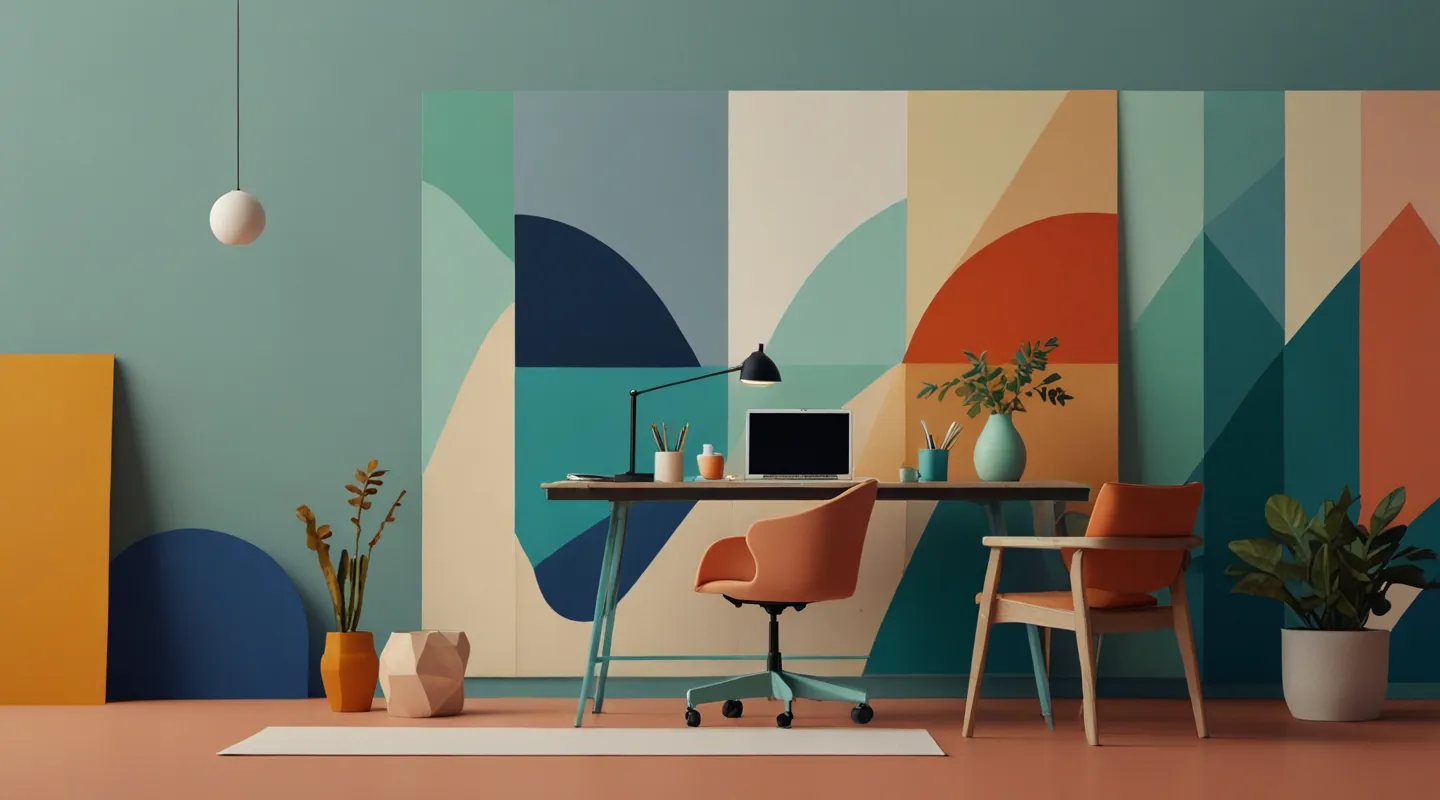
Why Design Inspiration Isn’t Just a Fancy Buzzword
Let’s be honest. Inspiration sounds a bit like that flaky friend who promises to show up but sometimes ghosts you. You know the type — elusive, unpredictable, and occasionally downright stubborn. Yet, if you’re a designer or creative soul, you’ve felt that spark at some point. That jolt when something just clicks and suddenly your mind’s swimming with ideas. But here’s the kicker: finding inspiration isn’t about waiting for lightning to strike. It’s more like crafting your own weather system.
Over the years, curating creative showcases and mentoring newbies, I’ve learned that inspiration is less about waiting and more about hunting. It’s an active process, a muscle you build by seeking, sifting, and yes, sometimes failing. So, buckle up — I’m going to walk you through how to find and use design inspiration effectively without getting lost in the noise or feeling overwhelmed.
Start With What Moves You (Seriously, Trust That Gut)
One thing I tell every designer I mentor: don’t chase inspiration blindly. Instead, start with what genuinely catches your eye — not what’s trending or what others say is “in.” I remember this one time, I was stuck on a branding project and felt paralyzed by all the slick, minimalist logos flooding my feeds. Then I stumbled on a series of hand-painted vintage signs from a small town in Italy. The brush strokes, the imperfect curves, the nostalgia — it hit me differently. Suddenly, I had a direction that felt authentic, not forced.
Your gut has a way of nudging you toward ideas that resonate deeply. Maybe it’s a color palette that reminds you of a memory or a pattern that just feels like home. Pay attention to those little sparks. They’re your creative breadcrumbs.
Mix It Up: Inspiration Lives Outside Your Bubble
Here’s a hard truth: if you only consume design from your corner of the internet, you’re setting yourself up for creative déjà vu. I’m guilty too — obsessing over Behance portfolios or Dribbble shots. But real magic happens when you leap outside the design sandbox and soak up influences from unexpected places.
Think about it: architecture, nature, music, street art, even cooking. The way light falls through a canopy of trees, the rhythm of a jazz tune, the layering of spices in a dish — all these sensory experiences can translate into design concepts. I once found inspiration for a website layout by watching how a chef plated a dish — the asymmetry, the balance, the contrast. It sounds odd, but there it was.
Tools That Help You Gather and Curate Inspiration
Okay, so you’ve got your eyes and ears open. But how do you keep track of all this goodness without drowning in it? The answer: smart curation. Here are a few tools and tactics I swear by:
- Notion or Milanote: These are like your digital sketchbooks. Drop images, links, notes, color swatches — anything that sparks you. Milanote especially feels like pinning stuff to a virtual moodboard, which is perfect for visual thinkers.
- Pinterest: Classic, I know. But it’s still gold for quick, broad inspiration searches. Just be mindful — it can be a rabbit hole, so set a timer.
- Physical Moodboards: Old school but effective. Sometimes cutting out images, textures, or even fabric samples and pinning them on a corkboard helps your brain see connections digital can’t.
- Feedly or Pocket: For articles, interviews, and case studies that offer deeper insights, not just pretty pictures. Inspiration isn’t just visual.
These tools are only as good as how you use them. Here’s a tip: don’t just collect — reflect. After you gather material, spend some time reviewing it, looking for patterns or ideas that stick.
Turning Inspiration Into Action: The Real Challenge
Finding inspiration is one thing, using it effectively? That’s where the rubber meets the road. I’ve seen plenty of creatives get paralyzed by their inspiration stash — too many ideas, not enough focus. So here’s how to avoid that trap.
Start by asking yourself: What problem am I solving? Inspiration is a tool, not the goal. For example, if you’re designing a logo for a startup, maybe those vintage signs I mentioned earlier aren’t the right fit, even if they’re beautiful. Context matters.
Next, try this exercise: pick three elements from your inspiration collection — colors, shapes, textures — and combine them in a sketch or digital draft. No pressure on perfection. This is about experimentation and seeing what clicks.
And don’t be afraid to remix or even reject parts of your inspiration. Sometimes the best ideas come from what you decide to leave out.
When Inspiration Runs Dry (Yes, It Happens)
Ever hit that weird dry patch where nothing feels inspiring? Happens to all of us. My go-to move then is to *do something else* — literally. Walk outside, doodle nonsense, or rearrange your workspace. Movement shakes the cobwebs.
Sometimes, getting out of the design mindset helps more than scrolling through feeds. Or, if you’re comfortable, chat with a fellow creative. Fresh perspectives can reignite that spark.
Also, remind yourself: inspiration isn’t a finite resource. It ebbs and flows. The key is to build habits that keep you connected to your creative source over the long haul.
Real Talk: Inspiration Is Personal and Messy
To wrap this up — and I say this with all the hard-earned humility of someone who’s spent way too many late nights stuck in creative ruts — inspiration isn’t a one-size-fits-all formula. It’s messy, sometimes frustrating, but always worth chasing.
Whether you’re just starting out or trying to sharpen your edge, lean into your curiosity. Collect voraciously, reflect honestly, and don’t be shy about mixing things up. That blend of intention and playfulness? That’s where the real design magic happens.
So… what’s your next move? Give it a whirl and see what happens.






