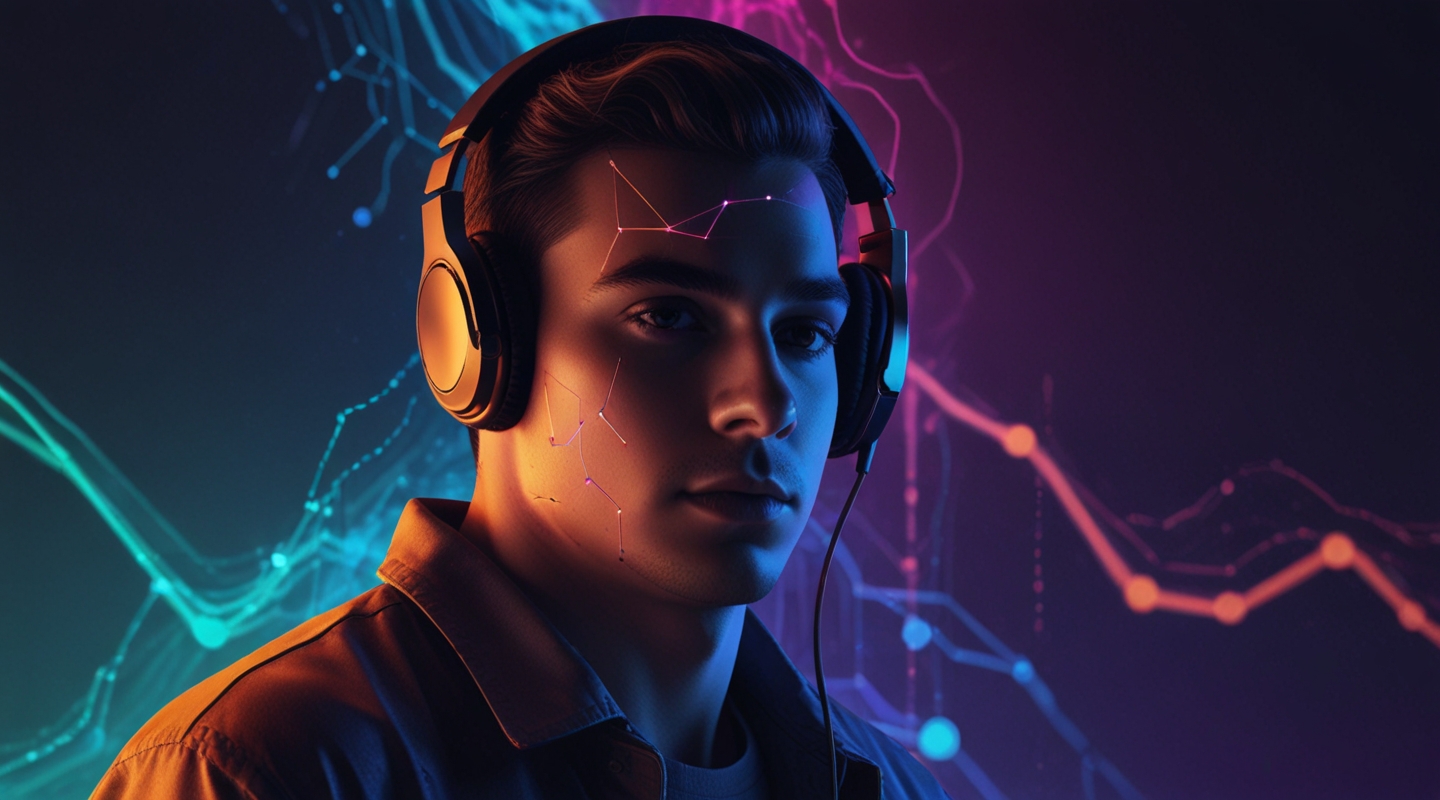
The Magic of AI and Spatial Audio: Why It Matters Now
Okay, real talk. If you’ve ever put on a pair of headphones and been taken somewhere else—like, truly *somewhere else*—you know the power of sound. But toss in AI, and suddenly we’re not just hearing sound; we’re experiencing it as if it’s alive, adapting, breathing around us. It’s no longer background noise; it’s a co-creator of the moment.
I remember the first time I stumbled on a project that used AI-driven spatial audio. I was skeptical. Like, how much better can it really get? But then I slipped on my headphones, and suddenly, the audio wasn’t just playing—it was moving. A bird wasn’t just chirping; it was fluttering from my left ear to right, fading into the distance with a natural ebb and flow. The AI was mapping the soundscape in real-time, adjusting to my head movements, and tweaking the environment dynamically. It was immersive in a way that felt almost tactile.
That’s the kind of magic these web projects are tapping into—merging cutting-edge AI algorithms with spatial audio tech to craft experiences that don’t just tell a story, but *place* you inside it.
What’s Happening Behind the Scenes?
Let’s peel back the curtain a bit. At the core, spatial audio simulates how we naturally hear sound—directional, layered, and influenced by our environment. Traditionally, this was a painstaking process, requiring precise audio engineering and static placement of sounds.
Enter AI. With machine learning models, the system can analyze and predict how sound should behave based on context, user interaction, and even emotional tone. This means spatial audio isn’t static; it’s fluid, responsive, and personalized.
For example, some projects use AI to interpret user input—like head position, gestures, or even biometric signals—and adjust the soundscape accordingly. Others deploy generative audio models that compose or morph sounds on the fly, creating an endlessly evolving sonic environment.
This is more than just tech flex. It’s about making digital spaces feel alive and intuitive.
Showcase Spotlight: A Few Projects That Got Me Hooked
Alright, I know you want examples—because abstract talk only gets you so far.
- Endlesss Studio: This web-based collaborative music platform uses AI to help musicians jam together live, layering and spatializing their sounds in a 3D audio environment. It’s like being in a virtual jam session where the mix dynamically shifts to spotlight whoever’s playing, making the experience super visceral.
- Mozilla Hubs: Not just a VR hangout, Mozilla Hubs employs spatial audio that adapts in real-time. Pair that with AI features that moderate sound levels or enhance voice clarity, and you have a virtual space that feels much more natural—almost like a physical room.
- Google’s AudioSet + TensorFlow Projects: Some experimental web apps use Google’s massive AudioSet dataset, combined with TensorFlow.js, to recognize and spatialize sounds dynamically. Imagine walking through a digital forest where the sounds of animals and rustling leaves respond to your movements and focus.
Each of these projects leans on the interplay of AI and spatial audio to create immersive moments that feel personal and alive.
Why Should You Care? (Or, How This Helps You Level Up)
If you’re a creator—whether that’s a developer, designer, or artist—this tech combo opens a playground of possibilities. It’s like adding a secret superpower to your toolkit.
Take UX designers, for instance. Spatial audio can dramatically enhance accessibility and engagement, especially for immersive web apps or games. AI means it’s not a one-size-fits-all experience anymore. You can craft environments that react to users’ behavior, mood, or preferences.
For developers, these projects often use frameworks like Web Audio API combined with AI libraries such as TensorFlow.js or ml5.js. The learning curve isn’t trivial, but the payoff is huge—giving you the ability to build experiences that stand out and feel genuinely next-level.
And for creatives, the blend of AI and spatial audio means you can experiment with generative soundscapes, interactive storytelling, or even sonic branding that adapts in real-time.
Honestly, it’s the kind of tech that invites you to think beyond screens and buttons—towards feelings and presence.
Getting Your Hands Dirty: How to Start Experimenting
Ready to dip your toes in? Here’s a quick roadmap I often share with friends who want to explore this space without getting overwhelmed.
- Learn the Basics of Spatial Audio: Start with the Web Audio API. Mozilla’s developer docs are a solid spot to get your head around concepts like panning, 3D audio positioning, and binaural sound.
- Explore AI Libraries for the Web: TensorFlow.js is a gem. Try out some pre-trained models for audio classification or sound generation. ml5.js is another beginner-friendly library that wraps complex ML models into approachable functions.
- Combine the Two: Build small demos where AI listens for specific sounds or user inputs and alters your spatial audio scene accordingly. For example, trigger different sound sources based on detected user gestures or voice commands.
- Use Existing Tools and Platforms: Check out platforms like A-Frame or Mozilla Hubs for spatial audio support, and look for plugins or extensions that integrate AI features.
- Keep Experimenting and Sharing: The community around these technologies is vibrant and generous. Share your experiments on GitHub, Twitter, or forums. Feedback and collaboration are gold.
A Few Challenges Worth Knowing
Not gonna sugarcoat it—this blend isn’t without quirks. Spatial audio can be tricky to get right across different devices and headphones. AI models, especially those running in-browser, can be resource-intensive and sometimes unpredictable.
Latency issues pop up, too. You want sound to react instantly. Any lag breaks immersion faster than you’d think. Plus, designing for accessibility is harder when sound is your main interface element.
But here’s the thing—working through these challenges teaches you a ton about performance optimization, user experience, and the subtle art of balancing tech and creativity.
Wrapping Up: Why This Matters for the Future
We’re at a point where digital experiences need to feel less like screens and more like worlds. AI and spatial audio are two pillars propping open that door. Whether you’re building games, virtual environments, or innovative web apps, understanding and using these tools doesn’t just keep you current—it puts you ahead.
So, what’s next? Maybe try building a simple spatial audio scene powered by AI. Or just start listening differently the next time you hit play on a podcast or game. The future’s loud—and it’s layered.
Give it a spin. See where the sound takes you.






