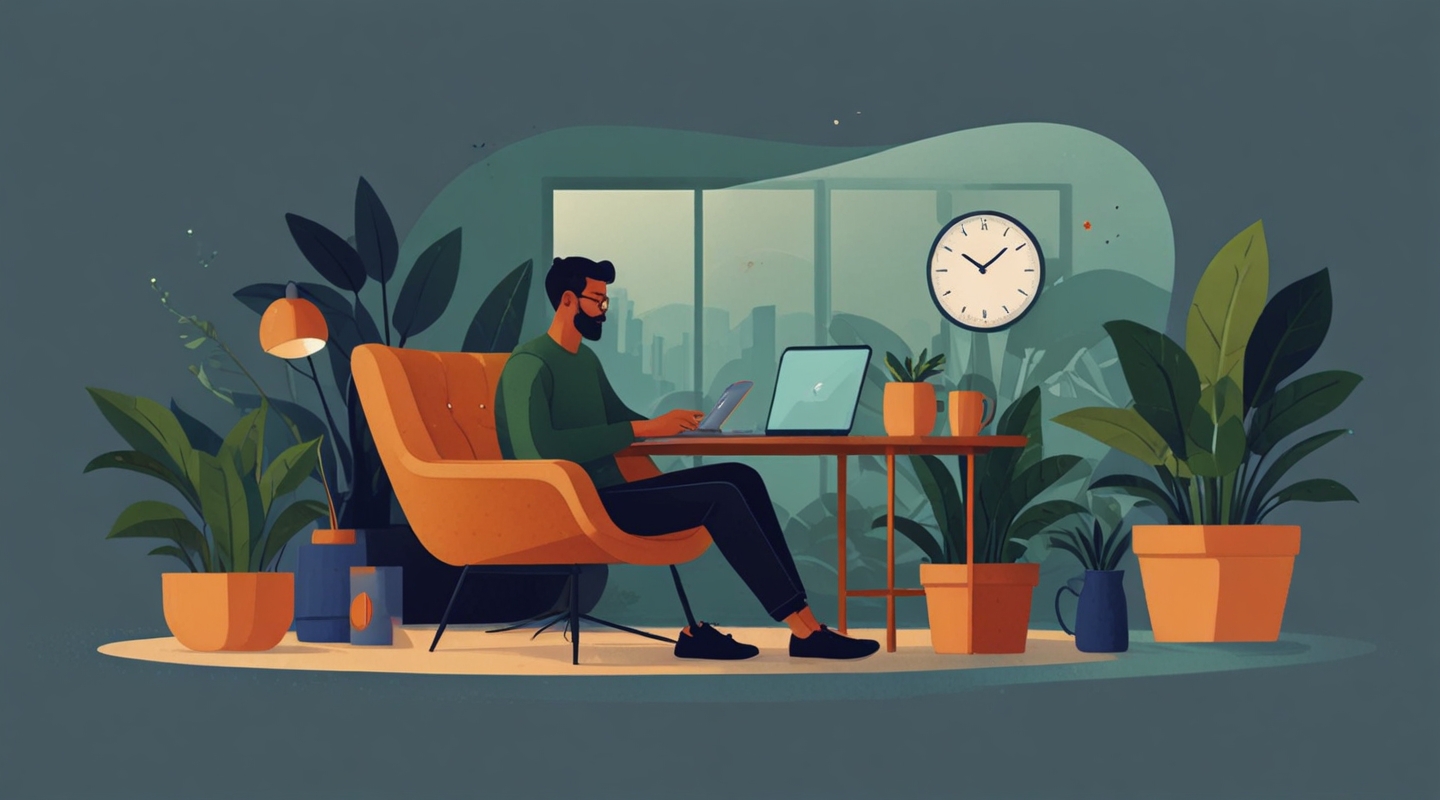
Why Sustainable Freelancing Isn’t Just a Buzzword
Hey, let’s be real for a second — freelancing can feel like juggling flaming swords while riding a unicycle. One minute you’re riding high on a fresh contract, the next you’re drowning in emails, deadlines, and that persistent voice telling you, “You should do more.” But here’s the kicker: chasing every gig without a pause can burn you out quicker than you can say “client call.”
That’s why building a sustainable freelance career isn’t just about landing clients or stacking projects. It’s about crafting a rhythm where your workload and wellbeing actually coexist — dare I say, thrive together. I’ve coached countless freelancers tangled in this mess, and honestly, the most common breakthrough is realizing: sustainability isn’t a destination; it’s a practice.
So, grab your coffee (or whatever fuels your hustle), and let’s break down how to balance your freelance workload without losing your sanity.
Recognizing the Warning Signs: When Workload Overwhelms Wellbeing
Before we get into the how, let’s talk about the what. What does imbalance look like? For me, and many freelancers I’ve worked with, it’s sneaky. Maybe you’re pulling late nights so often your morning coffee loses its magic. Or you’re saying yes to every client because, well, money — but secretly you feel like a hamster spinning in a wheel, fast but going nowhere.
One of my clients, let’s call her Jess, was on the brink of burnout halfway through a six-month project marathon. She told me, “I thought pushing through would prove I could handle it all. Turns out, I was just running on fumes.” If that’s ringing bells, pay attention. Fatigue, irritability, loss of creative spark — these aren’t just nuisances; they’re flashing neon signs.
Setting Boundaries Without Feeling Guilty
This one’s a toughie. Boundaries in freelancing feel weird, right? You’re your own boss, but also your own worst taskmaster. Saying no sometimes feels like shooting yourself in the foot.
But here’s a secret: your clients actually respect it when you have boundaries. It means you’re professional, reliable, and, frankly, human. When Jess started blocking off ‘no work’ hours and stuck to them, she found her focus sharpened during work time—and her downtime became genuinely restorative.
Try this: pick one boundary to enforce this week. Maybe it’s no emails after 7 pm or a guaranteed 30-minute morning walk before logging in. It’s small but shifts the energy.
Planning Your Workload Like a Pro (Even If You Hate Schedules)
I get it — planners sometimes feel like a straightjacket. But hear me out. The secret isn’t rigid scheduling; it’s strategic flexibility.
Imagine your week as a buffet, not a fixed menu. You allocate chunks of time for different projects but leave space for unexpected sparks of creativity or client emergencies. Tools like Trello or Asana can help, but honestly, even a simple notebook works if you use it to prioritize tasks by energy levels and deadlines.
One trick I swear by: color-coding tasks by emotional weight. Red for urgent and draining, green for easy wins, yellow for creative projects that excite you. When you notice a red-heavy day looming, see if you can shuffle a green one in to balance the vibes.
Wellbeing Practices That Actually Stick (No Meditation Required)
Look, I’m not here to sell you on a new-age fantasy where you meditate under a waterfall every morning. For many freelancers, wellbeing is about practical, doable habits.
Jess started simple: a 5-minute stretch break every hour, drinking water like it was her job, and yes, stepping outside daily. These tiny habits added up, creating a buffer against stress.
Ever tried the Pomodoro Technique? Work hard for 25 minutes, then take a 5-minute break. Repeat. It’s like interval training for your brain. Keeps focus sharp and reduces overwhelm.
The Role of Community and Mentorship
One of the loneliest parts of freelancing is the isolation. When the only voice you hear all day is your own, it’s easy to spiral into doubt or overwork to prove you’re worth it.
Joining a community or having a mentor isn’t just about networking — it’s about sanity checks, shared wisdom, and sometimes, a good ol’ vent session. Jess found that weekly check-ins with a small group kept her accountable for her boundaries and workload balance.
If you haven’t found your people yet, maybe it’s time. There are plenty of online groups, local meetups, and coaching options tailored for freelancers.
Financial Stability: The Unsung Hero of Wellbeing
Money stress is a massive contributor to overworking. It’s tempting to say yes to every gig just to keep the lights on. But here’s the paradox: without financial planning, you might burn out before you get the chance to cash those checks.
Setting aside a buffer fund, invoicing promptly, and being clear about your rates are acts of self-care. They give you breathing room to say no and focus on work that aligns with your goals and values.
Pro tip: Using tools like QuickBooks or FreshBooks can streamline invoicing and give you a clearer picture of your finances without turning you into an accountant overnight.
When to Reassess and Pivot
Sometimes, no matter how well you balance, the freelance path you’re on needs a course correction. Maybe it’s the type of clients, the kind of projects, or the hours you’re working.
Jess realized after a tough quarter that her passion project—branding for small businesses—was draining her creatively because she was taking on too many unrelated gigs just to pay bills. She made a decisive pivot to specialize more narrowly and raise her rates, which ironically gave her more freedom and less stress.
So, ask yourself: what’s working? What’s draining you? And don’t be afraid to tweak. Freelancing is agile by nature — your career can be too.
Wrapping It Up: No Magic Pills, Just Real Talk
Building a sustainable freelance career means juggling work, life, and wellbeing with a bit of grace and a lot of trial and error. It’s messy, occasionally frustrating, but absolutely doable.
Remember, sustainability is less about perfection and more about consistent, compassionate choices that keep you going long term.
So… what’s your next move? Maybe it’s setting a boundary today, or finally saying no to that project that doesn’t light you up. Give it a try and see what happens. You might just surprise yourself.






